
WILDLANDS
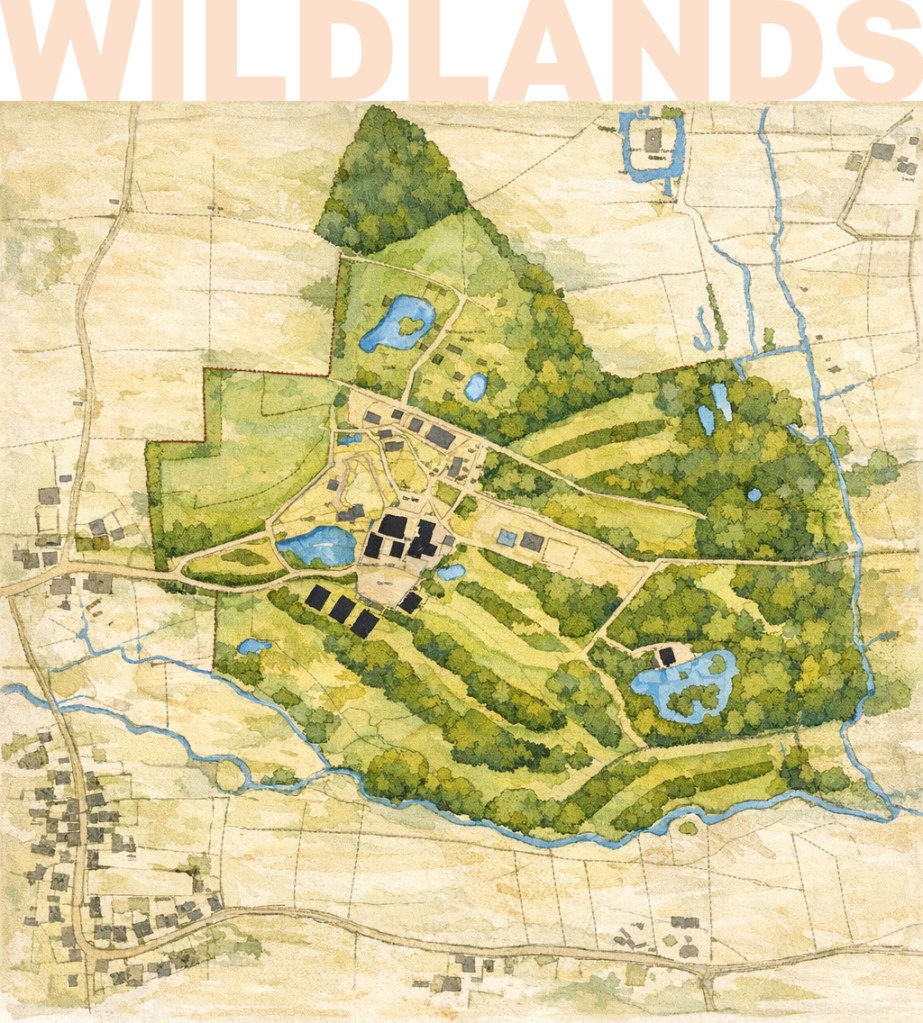
A nature-led masterplan for a rewilding estate in Suffolk.
Testing how carefully placed buildings could support ecological restoration, education, tourism, and stewardship of the land.
Exploring opportunities to adapt existing estate buildings and introduce new low-impact structures within a recovering landscape.
Aligning architecture with aspirations, planning viability, landscape constraints, economic models, and operational needs.
Architecture that strengthens the ecological credibility of the estate.
Buildings that honour the land.

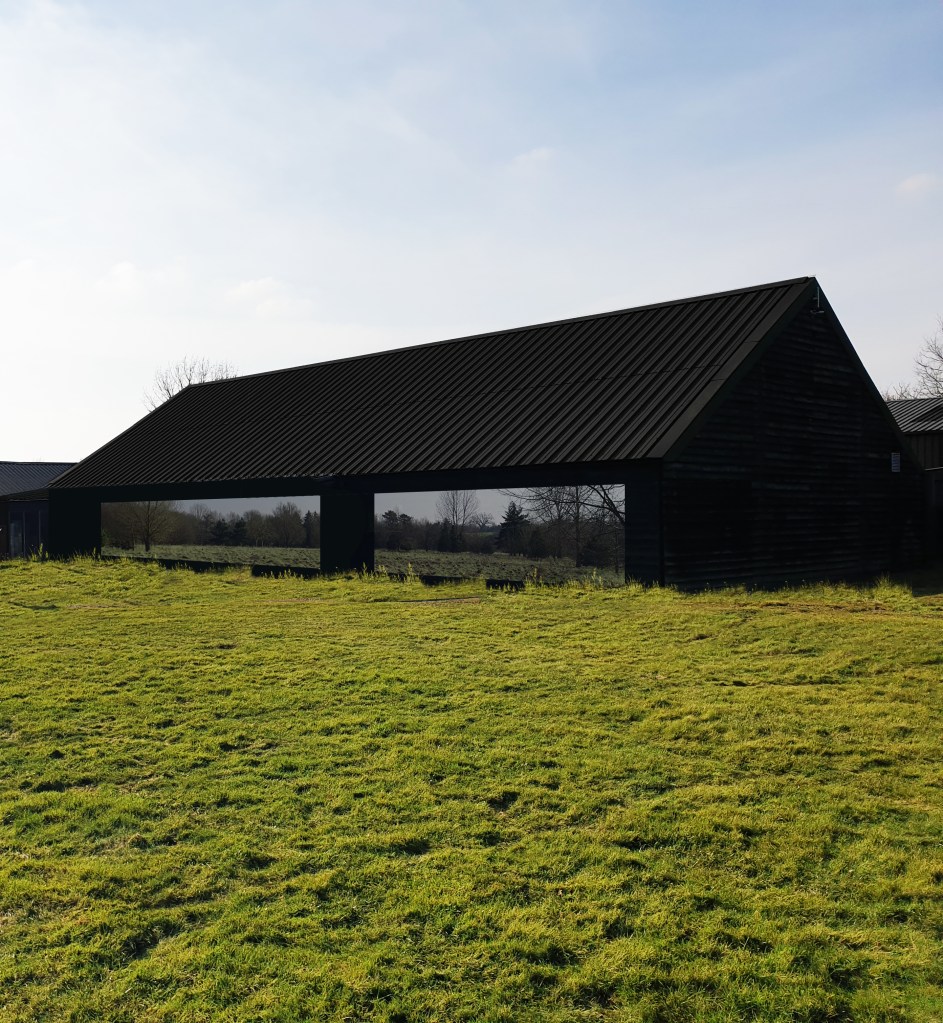
BUILDINGS THAT HONOUR THE LAND
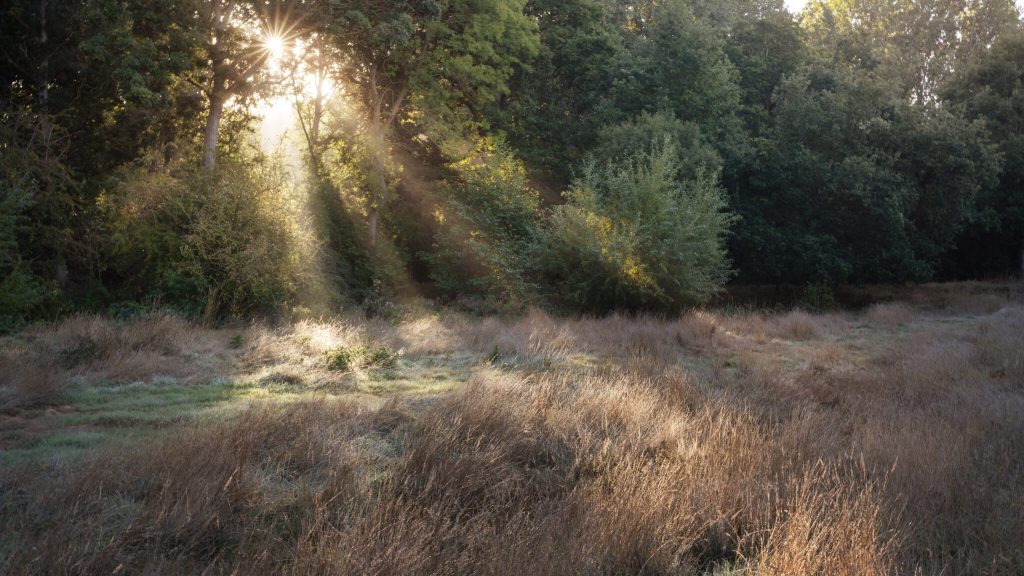
Wildlands lies on the edge of the Suffolk village of Cretingham, where the River Deben winds through water meadows and wooded carr. Once managed for farming and later reshaped into a golf course, the landscape had become ecologically subdued. When the current custodians, Matt and Claire, took ownership, they observed nature quickly reclaiming unmanaged areas and committed to restoring the estate to its wild roots.
As the ecological regeneration strategy took shape, Natural Building Studio was engaged to explore how carefully placed buildings could support the long-term stewardship of the land.
We began with a site briefing and masterplanning feasibility study, responding to the landowners’ ambition to restore the estate’s natural processes while carefully introducing built infrastructure. The study tested the client’s architectural aspirations against planning viability, landscape constraints, economic viability, and the operational needs of the estate.
This disciplined early analysis ensured that any future buildings would strengthen – rather than undermine – the ecological credibility of the land and the wider estate strategy.
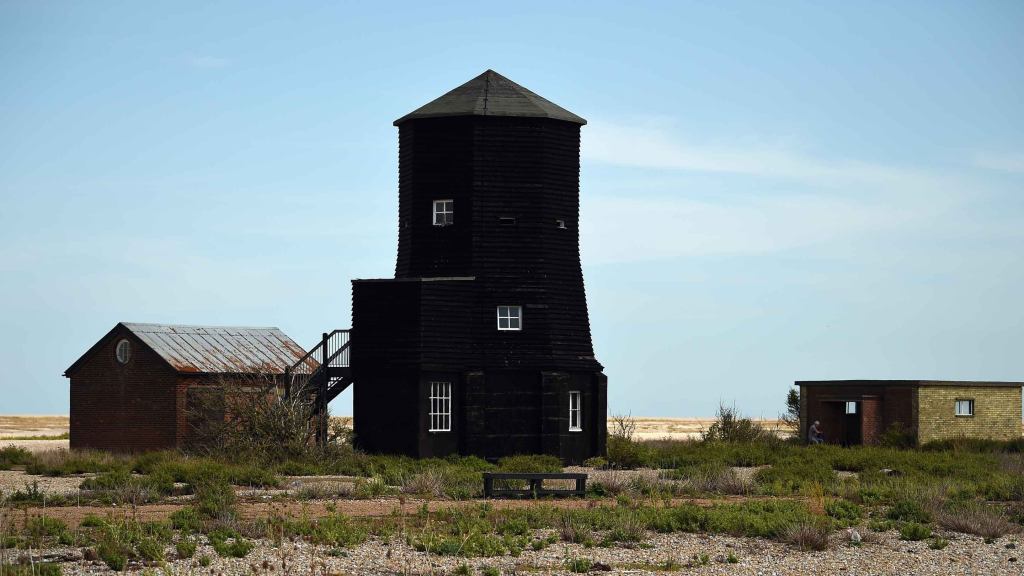
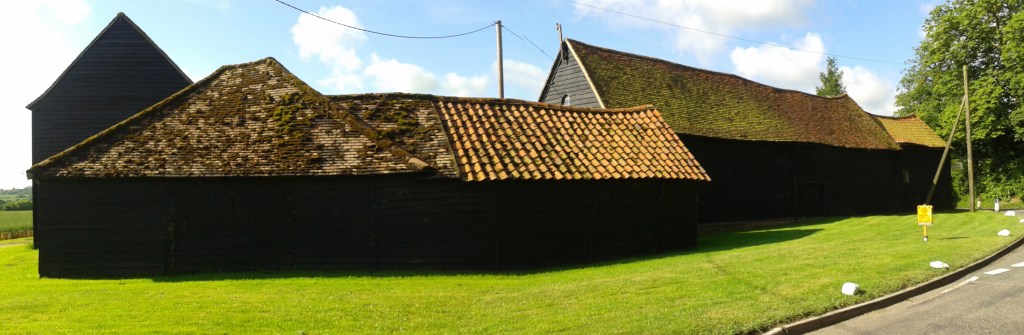
The masterplan proposes a phased programme of buildings aligned with the estate’s evolving activities: Phase 1 introduces barns and a wildlife tower to support regenerative agriculture and ecological management; Phase 2 introduces a small number of moveable cabins for low-impact leisure and nature tourism; and Phase 3 adapts the former golf clubhouse into a multifunctional education space supporting learning and public engagement with the landscape.

 NATURAL BUILDING STUDIO